

Bridge Protection: Engineering Durability
A bridge is a structure that battles physics, environmental impacts, and human activity every day. The leading advantage of modern GCP protection systems lies in this: they extend the lifespan of the bridge structure for decades, stopping deterioration where it begins — at the interface of water, salt, and concrete.
Bridge Protection Solutions
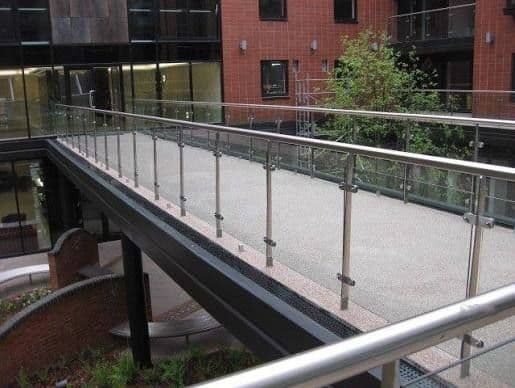
Safetrack®SC
SAFETRACK® SC — fast-curing anti-slip colored coating
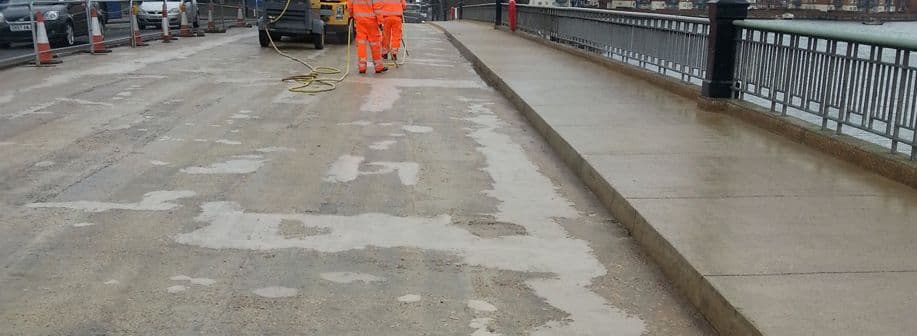
METASET ® ResiFilla
METASET® ResiFilla — a system for leveling, repairing, and smoothing concrete surfaces
SL Sealer
SL Sealer: a wear-resistant sealant that returns the surface to operation in just an hour
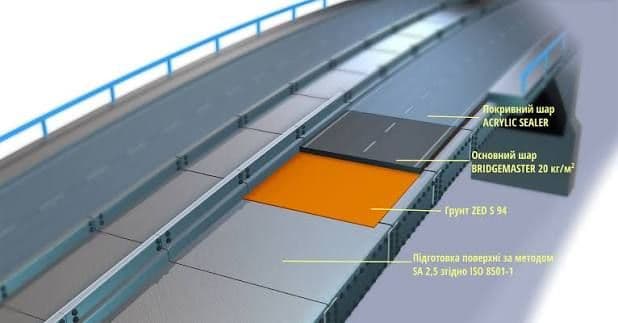
Primer PAR1
Primer PAR1: a primer that adheres to concrete stronger than the concrete itself
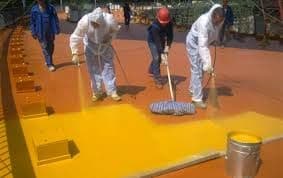
ZED S94
ZED S94 — anti-corrosion metal primer designed as a primer for waterproofing membranes of bridge spans
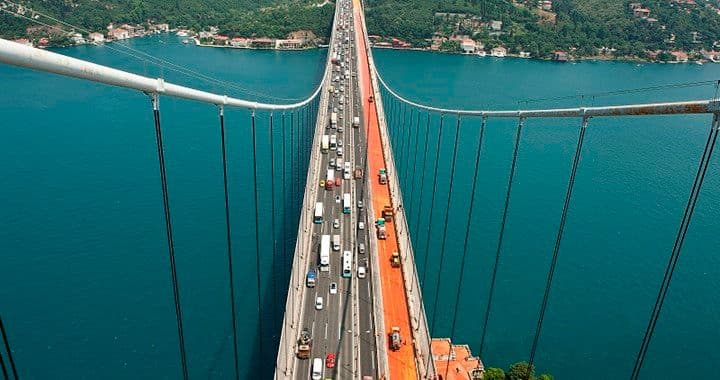
Eliminator ®
Membrane for waterproofing bridge deck ELIMINATOR® Extending the service life of road and railway bridges by 25 years
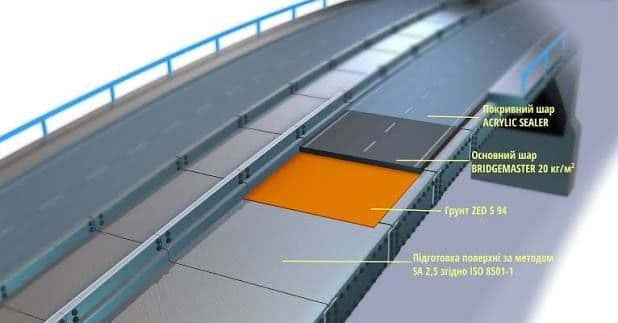
Bridgemaster®
The BRIDGEMASTER® system is a comprehensive 3-in-1 solution that combines waterproofing, wear-resistant coating, and slip resistance, specifically designed to protect bridge decks.
We adapt the system according to your object
Protection Principle: a system, not just one layer
Why bridges deteriorate
The bridge deck operates in the most aggressive environment of all engineering structures. In summer, its surface heats up (in Ukraine, in August it can reach +85-90°C), in winter it freezes, and together with anti-icing agents, the most dangerous enemy — chlorides — penetrates the concrete. They do not destroy concrete directly. They penetrate through micro-pores to the steel reinforcement and initiate corrosion. Rust expands several times in volume, pushing the concrete from the inside, and the protective layer begins to delaminate. By the time cracks become visible, the process inside has been ongoing for years.
Add to this the constant dynamic load — thousands of transport cycles daily, vibration, temperature deformations when the structure expands and contracts every day. Each cycle opens micro-cracks through which water penetrates deeper. Classic waterproofing, designed for a static structure, fatigues and cracks under such conditions.
Effective bridge protection is not just one coating, but an engineering sequence where each layer of waterproofing performs its function.
First, the concrete itself is restored: repair compounds return the structure's geometry and strength, filling craters and cavities and protecting exposed reinforcement. Next, the surface receives a continuous waterproof membrane that completely cuts off access to water and chlorides. On the roadway, it must withstand what ordinary coatings cannot — traffic movement, braking, abrasion, impact loads, while maintaining elasticity to move with the structure rather than tearing under its deformations.
Special attention is paid to expansion joints and connections. These are the most vulnerable points of any bridge, where the structure 'breathes'. Here, materials capable of stretching and compressing multiple times without losing tightness and adhesion are needed.
Why liquid membrane, applied on-site, is a key technological advantage of modern bridge systems — continuity and seamlessness. Rolled materials have seams, and a seam is always a potential leak point. A liquid membrane, applied directly on-site, forms a seamless coating that replicates any geometry: connections, drainage, edges, complex nodes. It bonds with the substrate over the entire area, so even local damage does not spread under the coating, as it does with rolled systems.
The speed of curing such systems allows for opening traffic in a short time — a critical advantage for bridges that cannot be taken out of service for long.
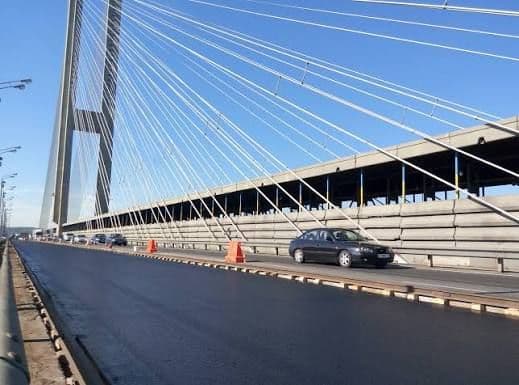
Our Approach
Engineering that Pays Off
Bridge protection is not an expense, but an investment in time. The cost of protection systems is a small fraction of the cost of the structure itself, but they determine how many decades it will last before major repairs. Stopping corrosion at the interface of water and concrete is cheaper by orders of magnitude than restoring a structure that this corrosion has already destroyed from the inside. This is the leading advantage of GCP systems for bridges: they extend the life of the structure for decades, working precisely where deterioration begins — and make durability predictable, not accidental.
contact form
Need a consultation?
Our engineers will select the optimal solution for your object